Instead of Making

To the outside observer, I gather, it seems like I do everything for Martin. Food-wise, at least. I prepare three meals a day from scratch. I buy eggs and meat from farms. In the summer I grow vegetables and herbs. I simmer broth, I pre-sprout beans, I soak and dehydrate nuts, I bake magical allergen-free snacks to send to school.

Let me assure my readers, however, that there are foody activities that I forego. That is, as a general rule, if I can buy a food from a source I trust, I do. I could save money—the grocery bill of a biomed family is out-of-control huge—by actually making everything at home, but there just aren’t enough hours in the day. Examples:

  • Kombucha. I brew my own kombucha. I have a countertop canister and a strong SCOBY, and each time I harvest, I feed the baby SCOBY to my compost bin. So what’s the problem? Well, I drink a lot of kombucha, Martin drinks kombucha, I don’t harvest my brew as often as I should, and what I make never tastes as good as GT’s or Health-Ade. So I brew kombucha and I also buy kombucha. Bottles and bottles of kombucha.
  • Nut cheese. Cultured cashew cheese isn’t hard to make. Here’s a recipe. And another. And another. You know what’s even easier than making cultured cashew cheese? Buying it. Here’s a good brand. And another. And another. (Don’t confuse cultured nut cheese, which is probiotic and healthy, with simple “non-dairy cheese,” which is often starchy junk food that, in my opinion, tastes awful.)
  • Fermented vegetables. I went through a phase of fermenting my own vegetables, in jars in my basement, especially because I wanted more choices than just cabbage sauerkraut. Now there are so many organic brands with non-sauerkraut ferments. BAO makes fermented kale and dandelion greens, beets, and mixed vegetables. Hawthorne Valley Farm, a local brand, has tasty ginger carrots. WildBrine makes smoky fermented kale and red beet sauerkraut, although not all its varieties are organic (I believe they follow the “dirty dozen” list and make those organic) and the Brussels sprout kraut contains soy, making it unacceptable for Martin.
  • Snacks. Martin prefers commercial snacks. He likes to open colorful wrappers, and he likes eating “store food” like his friends and classmates do. His favorite are Lärabars. I have a tortured relationship with Martin’s Lärabars. First, they are not organic, so I fear pesticide residue. Second, their GMO status is unclear. Third, they are high in sugar, even if the particular sugar is sucrose from dates. Fourth, they contain nuts, so I am not allowed to send them to Martin’s school. Still, Martin loves them, and these days it’s not easy to find a snack he loves. (He has long-since rejected previous choices like Go Raw! seed bars, raw macadamias, and jerky.) I would prefer that Martin pick Simple Squares over Lärabars. Martin picks Lärabars.
  • Pre-sprouted nuts and legumes. These can be found in the bulk aisles of health-food stores and Whole Foods Markets, and also packaged. My favorite brand is Living Intentions, which supplies a lot of those bulk aisles; I’ve had the opportunity to meet with representatives of the company, and they seem to be producing honest goods for the right reasons. Buying pre-sprouted saves me the trouble of soaking nut and legumes in FIJI Water and then drying them in my dehydrator. I wish more varieties would become commercially available, like navy and cannellini beans, or macadamia nuts and filberts.

As I said above, our grocery bill, for a family of three, is outrageous already; pounds of organic produce for juicing, meat from free-range animals, eggs laid in a yard, sustainably caught seafood, and raw-milk cheese (for when Adrian craves a bit) do not come cheap. Adding these commercial products feels like tacking a custom stereo to the cost of a luxury care—you stop and think, “Have I just gone overboard?” On the other hand, allowing myself the convenience of some prepared foods enables me to work outside the home, some, gets me more sleep, and helps preserve my sanity for the long, long haul that is autism recovery.

I would love to find more time to harvest my kombucha brew and to culture cashew cheese. I’d have to give something up to make that happen, and the thing I would give up would probably be—blogging.

And then what would we do?

Food Porn: Vaguely Asian Green-Bean Peanut Stuff

FullSizeRender-7

Three apologies.

First, I apologize that this is a peanut recipe; I know peanuts are trouble for a large portion of my readership. Miraculously, Martin has no peanut sensitivity. I reintroduced peanuts to his diet two years ago, with no indications of negative reaction. That being said, if peanuts are banned for your child but almonds are permissible, you can substitute almond butter for peanut butter in this recipe. I know, because I used to do that before I let Martin back on peanuts.

Second, sorry for the picture quality, and the fact that half the dish has been emptied. By the time I thought to snap a picture, Adrian and Martin had scooped servings into their bowls.

Third, I need to imply a vulgarity. Here it is: I serve rice once or twice a month, and when I do, Martin goes absolutely bat-s&*t berserk. He loves rice. I’m not sure whether he craves the carbs or the little sugar high or what, but Martin will do anything for rice.

(Tidbit: My law-school roommate, who is from Japan and ate white rice almost daily, once told me, “Just think of it as brown rice with the nutrition washed off.”)

By the standards of what I usually prepare for family dinner, this recipe is quick and easy. I made it this Monday evening. Martin and I get home late on Mondays, because he has personal training after school, so unless I’ve prepared an advance meal, I have to scramble. Some Mondays that means fermented cashew cheese on seed crackers. This week, however, a blizzard had bungled the roads and train lines, and Adrian decided to work from home in case the Monday commute was messy—which meant I needed a family dinner. I had a big bag of organic green beans from Costco, so I dug out an old peanut-sauce recipe from Smucker’s (from my pre-biomed days!) and adapted it to this:

  1. Set rice to cooked. I used Lundberg organic basmati, which needs only 15 minutes to cook, plus 10 minutes to set.
  1. Slice (I went with one-inch pieces) and steam green beans. I also tossed in three cloves fresh garlic, sliced.
  1. While the rice is cooking/setting and the beans are steaming, prepare the peanut sauce:

Ÿ         Ÿ1/3 cup peanut butter

          1 teaspoon garlic powder (or 2-3 teaspoons crushed fresh garlic)

Ÿ          juice of one small lemon

Ÿ          2 tablespoons coconut aminos

Ÿ          1 teaspoon coconut crystals (omit if you’re super-sugar-restricted)

Ÿ          1/3 cup water

Ÿ          dash of cayenne pepper (optional).

Heat the sauce ingredients over medium-low heat, whisking two or three times until well combined.

  1. In large mixing bowling, combine steamed beans (and garlic cloves, if using) with peanut sauce. I also added a handful of cashews, for extra protein. I wanted to add a handful of peanuts, which would have made the recipe even better, but the natural foods market where Martin and I stopped before his personal training inexplicably doesn’t carry peanuts.
  1. Scoop the rice into a serving bowl and top with green beans.

Quick, easy, and a big hit with both Adrian and Martin.

Food Porn: Weekend Breakfast

Depending on how much time I have, weekend breakfasts can be extravagant and, because on the volume of organic vegetables involved, expensive. I photographed my way through a recent weekend breakfast, prepared when we were all awake around 7:00 am but no one had to be anywhere before 11:00 am.

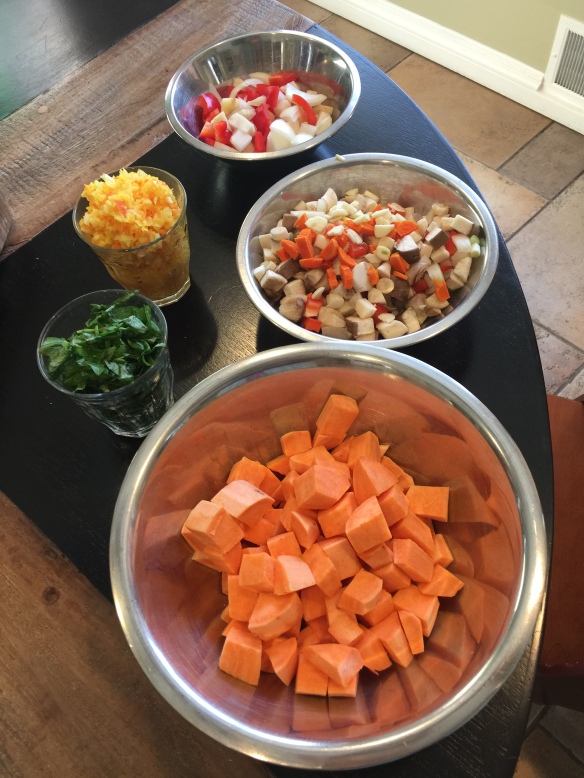
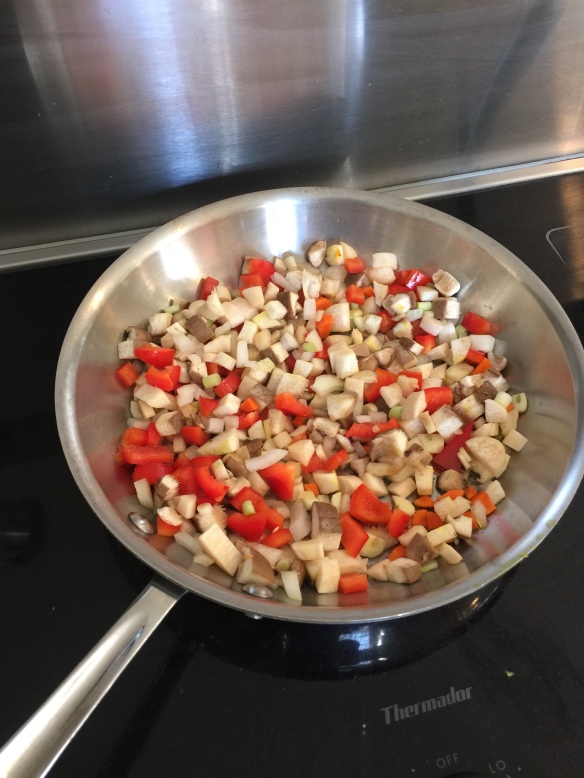
Dish No. 1 was sweet potato hash, and Dish No. 2 was vegetable scrambled eggs. First, I diced/processed my veggies and arranged them for those two dishes.

IMG_1196

In this photo, the middle mixing bowl contains the veggies for the scrambled eggs: carrots, garlic, red bell pepper, Jerusalem artichoke, and several sorts of mushrooms. Martin has declared that he doesn’t like mushrooms, so I sneak them in wherever I can; in this instance, the pre-cooked mushrooms will reduce enough that he doesn’t notice them in the scrambled eggs.

Also in the photo are—

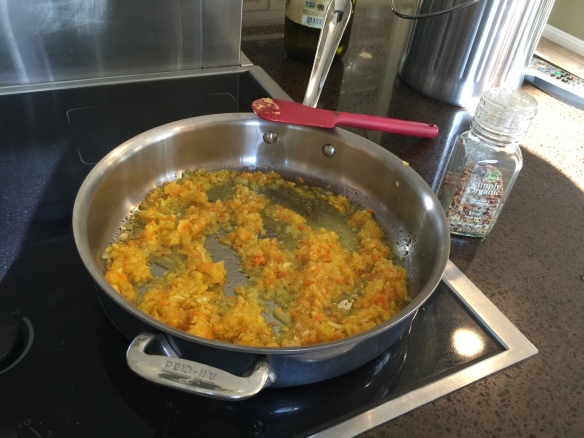
a small glass of yellow “base,” which comprised onion, garlic, and turmeric root (there’s that turmeric again!), processed into a paste, which I put first into the pan, along with cooking oil (usually coconut);

IMG_1202

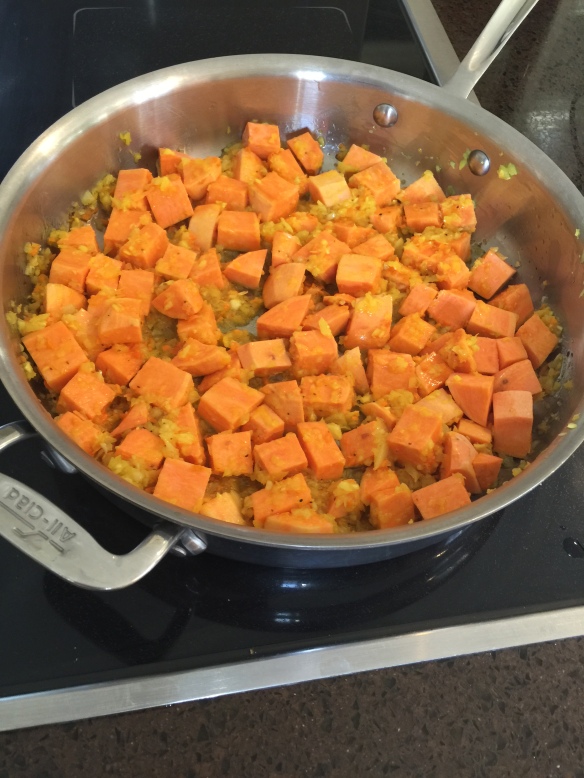
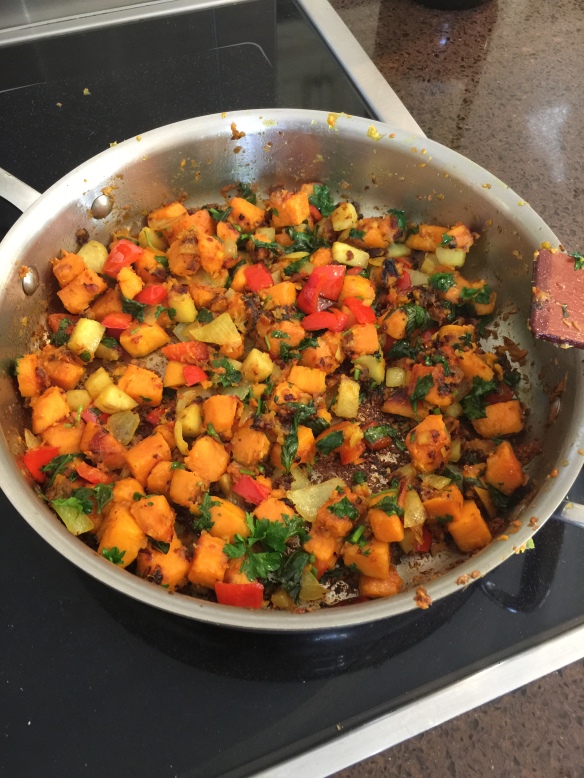
the diced sweet potatoes, which require the longest cooking time, so I added them as soon as the base became fragrant;

IMG_1203

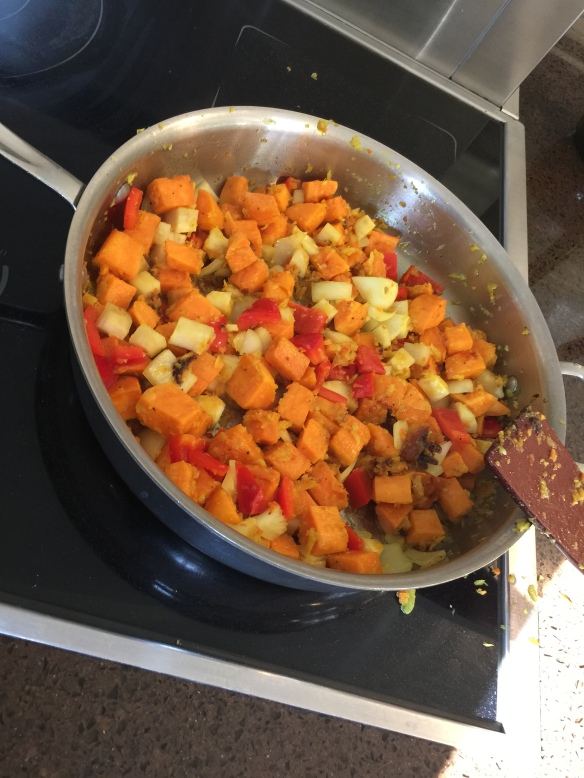
onions and red bell pepper, which I add until well after the sweet potatoes, because they would have burnt before the sweet potatoes were cooked;

IMG_1204

and a glass of minced herbs, which on this occasion were parsley and sage, which went in last, just enough to heat them.

IMG_1211

When the sweet potato hash was about half done, I set the egg veggies to cook in coconut oil, separately.

IMG_1209

While both the sweet potato hash and the egg veggies were cooking, I prepped the vegetables for juice. I am very into juicing right now. Juice does have “all the sugar without the insoluble fiber,” which is not great vis-à-vis Martin’s yeast troubles. On the other hand, juicing is GAPS-approved and makes vitamins, minerals, and even enzymes rapidly available, which is terrific for those times when Martin is not so into eating vegetables. (Yes, even super-healthy-diet Martin behaves sometimes like an American seven-year-old.) On this morning, I made “green lemonade”: collard greens, celery, cucumber, kiwifruit, green and red apples, lemon, and turmeric. (Again with the turmeric!)

IMG_1208

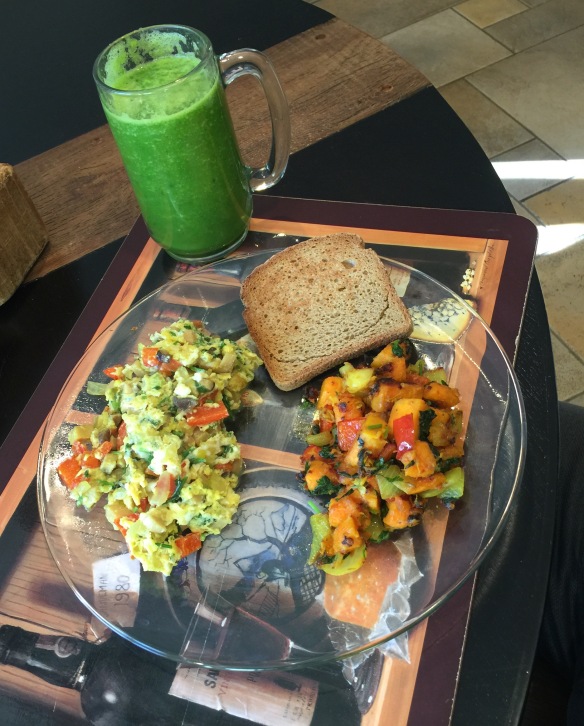
Finally I juiced, added eggs and sea salt to the egg veggies, and served. For Adrian’s breakfast, I added a slice of toast, made from Canyon Bakehouse gluten-free bread.

FullSizeRender-5

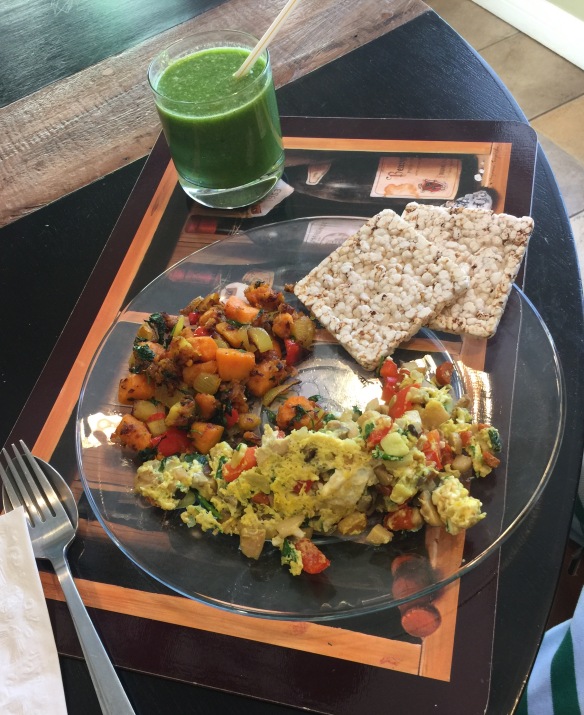
I think the Canyon Bakehouse product is good-quality, but it’s still too starchy and processed for Martin. So when Martin insisted that he too wanted toast, I substituted a couple Lundberg Family Farms Red Rice & Quinoa Stackers. Not perfect. Still a grain. Still processed to some degree. But these “toast crackers” made Martin happy and brought peace to breakfast.

FullSizeRender-6

I don’t eat eggs. For my breakfast, I ate the sweet potato hash and drank the juice, and substituted the eggs with Fakin’ Bacon, which is spiced organic tempeh. I try not to eat too much soy; when I do consume soy, organic and fermented is the best way to go.

And I almost forgot: There was one more item that brought peace, and for me and Adrian, a lot of joy, to the morning kitchen—

IMG_1210

Food Porn: Pasta and Broccoli With “Cheese” Sauce

I’ve been lax about posting recipes and cooking tips, which is strange because the No. 1 recovery-process question I get remains, “What does Martin eat?” Many people still find it hard to fathom, in this day, a diet of minimally processed foods; focused on fresh and organic; free from gluten, dairy, corn, soy, refined sugar, and most grains or starchy vegetables; that includes daily bone broth and probiotic/fermented foods; with meat (other than broth) limited to one serving daily; and that is prepared 90% from scratch. I don’t blame them. Before I started this journey, I wouldn’t have known how to manage it at all.

Time to post a few examples of how breakfast, lunch, and dinner look for Martin. Exhibit One shall be this relatively simple vegetarian dinner, which our whole family, including pescatarian Adrian and vegan me, can enjoy: pasta with broccoli and “cheese” sauce:

FullSizeRender-4

The “cheese” sauce—you won’t believe me until you try it—is delicious. The recipe does call for potato, which we generally try to avoid; fortunately, the overall potato content ends up being low, on a per-serving basis. I happened upon the “cheese” sauce recipe when a friend posted the link on her Facebook page.

Of course, I make alterations. I generally try to soak and dehydrate the cashews before I use them, though I may not always manage. I like to replace the garlic powder with a clove or two of raw garlic. I also usually add an inch or two of peeled, fresh turmeric, throwing that root into the cooking water at the same time as the potato. (If you read several of these posts, you’re going to uncover a sort of turmeric leitmotif. I add fresh turmeric to almost everything—including (some) desserts and snacks.)

The pasta is Tolerant brand penne, which lists, as its only ingredient, red lentils. I love the idea of one-ingredient pasta, especially when the ingredient is organic red lentils. That being said, I do have questions about Tolerant, especially how exactly the lentils are processed into pasta, i.e., what the lentils undergo and how they eventually stick together. My friend Stacey and I once found Tolerant’s representatives at a food trade show and peppered them with questions about their processing methods; citing trade secrets, they wouldn’t reveal anything, so I still have concerns. Sometimes the best you’ve got is the best you’ve got, and right now, for pasta, I think Tolerant is the best I’ve got.

(Monday afternoons, Martin and I visit the organic grocery. He loves to run to the Tolerant aisle and yell, “Mommy, do we have enough pasta?”, then dump four or five boxes of the penne into my cart.)

Sometimes I add slivered almonds or pine nuts to this dish. In the version pictured above, the final ingredient was steamed broccoli. I cooked the broccoli before the pasta, saved the leftover steaming water, which absorbs some broccoli nutrients, and cooked the pasta in that water, hope to transfer those nutrients to the pasta. Long shot? Probably.

A tasty entrée that paired well with salad? Definitely.

New Year!: We Zipped by a Whole Foods Market

There are times when I should trust my instincts.

Remember when I thought Martin was having a yeast flare, but went with the plan of his his doctor, who didn’t think yeast was the issue?

I was right. Yeast was the issue, and by not addressing yeast directly and immediately, I let it get worse. By four days into our Utah trip, Martin’s skin was a mess. That’s his “tell,” for candida. He gets a mild rash on his legs and belly, which spreads to his arms and backside as he scratches and scratches until he’s covered with bloody nicks. It’s awful. December 30, though we rubbed balm from head to toe, Martin could not stop scratching, and I was washing little spots of blood off his sheets and clothes.

I messaged his doctor, attaching photos. She agreed that we needed to take immediate anti-yeast measures and suggested Martin go back on Candex. This time, I supplemented her opinion with my own and decided to kickstart the new treatment with two weeks of Candidase.

. . . Which explains why, New Year’s Eve, after getting up late and skiing and meeting Adrian’s colleague for a drink, I insisted on driving to the Park City Whole Foods Market for Candidase and Candex.

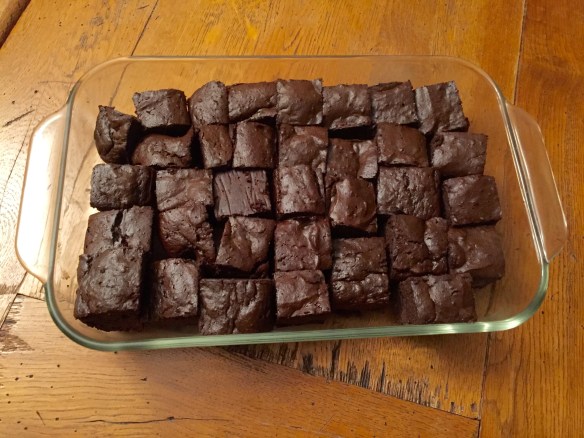
As I wrote this, one week after New Year’s Eve, the situation has improved dramatically. Candidase works best on an empty stomach, so each night after 10:00 pm, I slip into Martin’s room and give him two Candidase capsules, which he swallows without waking. I do the same thing before 6:00 am, and he takes a third dose immediately after school. For the time being, I’ve cut the already sparse grains from his diet, and tried to further limit natural sugars. Last Sunday, just after we returned to New York, I baked semisweet spinach brownies, which are nut-free (appropriate for school snacks) and better than they sound.

FullSizeRender-2

Whenever possible, I’ve been substituting those for the Lärabars Martin loves, which are healthy but, because of the dates, high-sugar, at least by my standards. Instead of a (grain-free but still sweet) baked good like banana bread, Martin has been eating vegetable omelets, sometimes with turkey bacon, for breakfast.

FullSizeRender-3

Martin still scratching, though much less. His belly looks good. His arms and legs are beginning to heal again. He is comfortable.

Honestly, I am disappointed that Martin has had yet another yeast flare. I had hoped that, by this time, his system would be healed enough to keep candida in check.

But who’s got time for wallowing? I’m in battle.


New Year!: We Met One of Adrian’s Colleagues for a Drink

New Year’s Eve, for our après ski, we met one of Adrian’s colleagues at a distillery. This particular colleague, like most, doesn’t know our son has autism, and whereas the colleague has typically developing children in the same age range, he would be able to spot any differences. We didn’t want Martin to “stand out.”

One way Martin still stands out is ordering food. When we are in a restaurant, he likes to order by himself. That’s fine, if we are in a restaurant whose menu we already know. When we are in a new restaurant, I have to ask eight million questions. The hamburger—is that just ground beef, or is the beef mixed with bread crumbs? The sweet potato fries—do they have any breading or coating? What kind of oil are they fried in? What else is fried in that oil? The grilled calamari—could we get that without the garlic butter? And the whole time I’m asking, Martin interrupts, usually to yell what he wants: No, no! I can get the calamari! Can I get the calamari? I don’t want salad! Occasionally he also has a mini-meltdown over what’s available (or not available) for him to eat, in which case I take his hand and lead him outside until he calms down.

So we were glad to arrive twenty minutes before Adrian’s colleague, have a chance to peruse the menu (the colleague suggested the location), and come up with the best option, both nutritionally and in terms of avoiding a meltdown. By the time the colleague joined us, Martin was occupied with my iPhone while happily downing a grass-fed steak and French fries cooked in canola oil.

Wait. Potatoes? Canola oil? Do we allow Martin to eat potatoes and canola oil?

Generally speaking, we do not. Potatoes are an occasional summertime treat, organic and roasted on our outdoor grill. Canola oil almost never works. Most canola oil comes from genetically modified crops, and even non-GMO “Canadian oil” is refined (hexane-processed?), bleached, degummed, deodorized rapeseed oil in which omega-3 fatty acids have been turned into trans fatty acids. Why would I let Martin ingest that?

Well, because we were traveling, and when we travel, and encounter new situations, and have to “perform,” some restrictions loosen. A bit.

Traveling, depending on where we go (for example, I can do more at my parents’ in Texas than I can in a suite in Chicago), alters:

  • Diet, to a modest extent. Martin’s diet is always free of gluten, dairy, soy, corn, and refined sugar. Beyond that, some specifics slip, including the aforementioned potatoes and canola. It can be hard to ensure organic food, or even non-GMO. He might also miss a day or two of broth. We traveled to Utah on a Saturday. He went without bone broth Saturday, Sunday, and Monday. By Monday afternoon I’d got my hands on a marrow bone and simmered a pot of broth.
  • Cookware. Even at home, my cookware isn’t perfect. Stainless steel remains puzzling, in terms of purity, and I’m never sure if my cast iron is seasoned properly or clean. In any event, at home I cook with All-Clad and cast iron, with mostly stainless-steel or wooden utensils. Whenever we travel, we rent accommodations with a kitchen, and unless we are staying long enough to justify a purchase—for example, when we were in Europe for ten days and I bought a fine strainer and a pot, both of which I brought home—I use what comes with the place. That might mean a plastic spatula, or even, egads!, nonstick pans.
  • Detox baths. At home, Martin takes two or three detox baths (two cups Epsom salt and one-half cup baking soda) a week, depending on whether he’s also used the sauna. Epsom salt is heavy to carry, and I don’t always trust other bathtubs. What product was used to cleaned it? Could I rinse it well enough? There is no point in trying to detox Martin in a tub with excessive chemical residue.
  • Exercises. Right now, we don’t have HANDLE exercises to do. Martin does, however, have four short exercises per day for his vision/neuroplasticity. At least, he has four short exercises when we are not on the road.

We do have absolutes, stuff that doesn’t change, regardless of where or when we travel. Martin takes his supplements, always. I’ve handed him pills in rental cars, measured drops at airport gates, mixed powder into restaurant beverages. I also find him fermented foods, daily, wherever we are. Martin no longer takes probiotics, so fermented foods are his probiotics. Plus, it’s easy enough to find sauerkraut or another cultured vegetable these days, if not kombucha.

The last absolutes? Love, and plenty of attention. Martin always gets those.

New Year!: We Got Up Late Because Martin Had a Tough Night

Happy New Year!

Adrian and I didn’t make it till midnight, New Year’s Eve. Didn’t even try. We were in bed by 9:00 pm, in a vacation house in Park City, Utah. On New Year’s Eve, our family (1) got up late because Martin had a tough night, (2) skied, (3) met one of Adrian’s colleagues for a drink, and (4) zipped by a Whole Foods Market. From each of those four activities gives me a heading for a “Martin right now” mini-essay. I’ll post them in four installments.

New Year! (1) We got up late because Martin had a tough night.

Martin is in treatment for Lyme disease. His LLMD wants to treat with antibiotics. His MAPS doctor, on the other hand, prefers to treat Lyme anti-microbially, which she says is as effective as antibiotics without the potential negative effects for gut bacteria. The LLMD and MAPS doctors have talked to each other. For now, the LLMD is letting the MAPS doctor “quarterback”—that’s the LLMD’s word, so catchy—Martin’s Lyme treatment, and we’re going with the anti-microbials.

I think they must be working, because while Martin’s cognitive and physical functioning are smooth, his adrenal levels seem maxed out. He is full of anxiety, looking for excuses to melt down. New Year’s Day, Adrian was listening to a Frank Sinatra song when Martin started crying because he remembered that the song was recorded before his parents were born. Honestly. Martin was playing a video game, heard the song, and burst into tears. The only reason he gave was the date that Frank Sinatra recorded “I’ve Got You Under My Skin,” and it took several minutes of comforting to soothe him. If that’s not adrenal stress, I don’t know what is.

Autism and even, to some extent, healing cause stress. Sometimes the process of getting better means that Martin’s body hardly knows itself, or what is coming next. The body can react by producing excess adrenal hormones, like dehydroepiandrosterone (DHEA) and cortisol. The hormones cause meltdowns. The overall stress diverts blood flow away from the gut, affecting nutrient absorption, which pressures the pancreas to keep up with digestive enzymes. The stress also stimulates the liver to increase glucose production to feed the muscles—and I think you know what mayhem excess glucose can wreck in an ASD kid.

Martin is also exhibiting increased OCD symptoms, which for him accompany adrenal stress. His current obsession is making sure he sees a digital clock anytime the digits are all the same, i.e., at 1:11, 2:22, 3:33, 4:44, 5:55, and 11:11.

These factors—adrenal stress and compulsions—have affected Martin’s sleep, too. In “Curse the Night,” I described how Martin couldn’t sleep Christmas Eve because of his anxiety that Santa Claus might not come. In the night between December 30 and New Year’s Eve, Martin woke from a nightmare: I think it was about skiing (see next post), because he woke exclaiming, “No, no, not so fast!” He stayed awake from 2:30 am until after 5:00 am, declaring himself simply unable to sleep, asking for me to be with him, and worrying about the time—“It’s 3:12! It’s not 3:33 yet!”—until finally I hid the clock.

Night waking has been so rare this past year that nowadays it really throws me for a loop. I just don’t have the stamina to get by without sleep anymore. I dozed off, lying on the sofa, until Adrian’s alarm sounded at 6:00 am, our usual waking time for skiing. Then I told Adrian that Martin had been up for hours and was now asleep, set my alarm for 8:00 am to call his ski instructors and say he’d be late for his 9:00 am lesson, and crawled back into bed for a couple hours. We let Martin sleep until after 9:00 am, then ate a big breakfast and finally reached his lesson at 11:00 am.

Martin remained high-strung all day, and does still as of this writing.

(I will provide more information on the Lyme disease in a subsequent post. I am almost as excited about writing that as I was for the recent informative post about mitochondrial support.)

Curse the Night

Christmas Day, 1:30 am.

I lie, awake, next to Martin, in his bed. He too is awake. Christmas Eve he went to bed about 8:30 pm, eager to get to sleep so that Santa could come, and dropped off immediately. Adrian was seeing Star Wars: The Force Awakens with my father and brothers, so I had time to finish wrapping gifts and even bake some ginger spice cookies, which turned out terrific. I thought about updating my Facebook status with some ditty about the peace and tranquility of Christmas Eve.

At 11:40 pm, just as Adrian and I had gone to bed, Martin woke. Night waking, like bedwetting, is so rare nowadays that I can’t remember the last time it happened. Martin can still take a while to fall asleep, but once he does, he’s out till morning. Tonight, he called out, saying he thought he saw it getting light outside, and asking whether Santa had come. I told him that it wasn’t even midnight yet, and that he could go back to sleep.

He hasn’t gone back to sleep. He is so concerned with getting back to sleep for Santa Claus that he’s worked himself into an anxiety attack, crying and wheezing. Adrian spent some time trying to comfort him, to no avail. Since 1:15 am, I’ve been here, in Martin’s bed, soothing him, hoping for sleep of my own, wondering what Christmas Day will be like when I’m exhausted.

Here’s the thing about being awake in the middle of the night: When I’m lying in the darkness, all my fears grow. Every single fear. From work deadlines to household finances to body image—they get worse. Problems loom insurmountable. I think about this issue and that issue, this concern and that concern, until finally I crash into the unmentionable fear: that if Martin never recovers fully, this will be my life forever. Autism will be my life forever. There will never be a time when my child achieves independence. There will never be a time when I can turn back to my non-Martin goals, to what I want to achieve for me.

Why do I call that fear “unmentionable”? Because it is selfish. Because it borders on blaming Martin for my own shortcomings. Because it affixes my personal journey to factors that depend on Martin but over which he has no control. Because my official position is that Martin will recover fully, and it’s only in the wee hours that doubt makes inroads. It’s only when I want to be sleeping, or reading, or writing, or even working, or anything other than lying next to a boy who can’t stop fidgeting, crying, laughing—only then do I think, “What if he’s done getting better? What if this is as good as it gets?”

It’s just better not to mention it.

Christmas Day, noon.

I must have dozed off, in Martin’s bed, sometime after 2:00 am. I woke at 3:50 am to find him asleep, finally, and then I returned to my own bed.

I woke again at 7:45 am, to the breathtaking melody of Martin, down the hall, conversing with my father, who is visiting. (Yes. Conversing. Answering questions and asking them in turn. How old are you, Poppa? That’s old. I’m seven. What year was it when you were seven? Grandma was already born then. Are you older than Grandma?) We had left one special gift unwrapped by the tree, and Martin played with that until everyone was up and ready to open gifts. Once all the gifts were unwrapped, Martin asked:

“Is there another gift to me from Santa?”

I realized right away what he wanted. The trombone. When he’d made his Christmas list, he’d included a trombone. At the time, the trombone seemed no more desired than the other gifts, most of which he received. In the day or two before Christmas, long after all gifts had been purchased, the trombone acquired new gravitas. Martin began to speak frequently of the trombone Santa was bringing him, and how he planned to learn to play the trombone, and how he would become good enough to play in a marching band by high school. Trombone, trombone, trombone. But seriously, I was not going to interrupt all other plans to procure a toy trombone.

“No, honey. I think that’s all that Santa brought you.”

Martin started to cry. “‘You get what you get?’ You just get what you get?” He was quoting our pastor, who upon assigning parts for the Christmas pageant had told the kids, “No complaining. You get what you get.”

I conveyed to Adrian why Martin was upset—I mimed playing the trombone—and Adrian moved in to comfort him, explaining that Santa might have thought that he is still too young to learn the trombone and needs to wait another year.

And then—Martin pulled it together. He was still upset, but he stopped the tears and moved to pouting and whining instead. No full-blown meltdown. No screaming. He asked, “Santa thinks I’m too young? Maybe next year?” All in all, the response seemed more age-appropriate than autism-indicative.

It’s noon now. Everyone has eaten a special Christmas breakfast, which was gluten-free French toast with cranberry compote. Martin played with his new gifts (he’s favoring a set of Beatles figures, and also a “play the trombone” app I downloaded hastily to his iPad) and then accompanied Adrian to the gym. My brothers are playing backgammon. My father is napping. The house is quiet. I’m starting to prepare Christmas dinner: cannellini-bean latkes, roasted Brussels sprouts leaves, and quinoa pilaf. Last night’s fears are last night’s fears.

I’m thinking about updating my Facebook status with some ditty about the peace and tranquility of Christmas Day.

I Promised an Informative Post About Mitochondrial Support. Sigh

I tell myself often that I should be writing less about Martin’s breakthrough performances and more about the process of biomedical recovery and homeopathy: what his blood and urine test results show, which supplements we’re using, how antimicrobials are affecting chronic Lyme disease, how I’m tweaking his diet and why.

Recall the correspondence I had with Martin’s biomed doctor about the hyperactivity Martin was experiencing. I guessed that the culprit might be a yeast resurgence. The doctor thought we were too quickly increasing borrelogen and banderol—hose are antimicrobial herbs we use treat Lyme disease and bartonella, a common Lyme co-infection—without enough time for Martin’s body to adjust. She suggested that we go off banderol temporarily, and that we build the borrelogen more slowly. Relevant to this post, she also wrote, “Please start the other mitochondrial support as we discussed, as the supplements should help not only ‘floppiness’ but also his ability to handle the anti-microbial herbs.” (She was responding with my terminology. I’m pretty sure that “floppiness” is not a real medical term.)

At the time, Martin had been off target mitochondrial support for a few weeks; we use MitoSpectra, and I was unhappy that our supply of pills had gone bad. I looked into MitoSynergy but decided against it, because its components did not seem to be in bioavailable form, e.g., it has standard B6 instead of p-5-p, and folic acid instead of 5-methyl folate or folinic. I also thought about giving Martin the mito-support elements separately: levocarnatine, CoQ10, B-complex. On the other hand, Martin takes so many pills and drops already. Where possible, it reduces the protocol burden to use combined forms, even if the combined forms tend to be more expensive. And blah blah blah. Meanwhile, Martin was off mito support while I mulled all this.

MitoSpectra’s customer support offered to replace the spoiled pills and told me to keep the next batch refrigerated to prevent them from going bad. After speaking with the biomed doctor, I decided to put Martin back on MitoSpectra. I expected that the mito support would improve Martin’s “floppiness.” I was less certain why the doctor thought that it would help with hyperactivity and overload from the antimicrobials.

It did. Immediately after speaking with the doctor, I took Martin off banderol and reduced borrelogan to just one drop, to start building again from there. That helped. Slight hyperactivity lingered, as did trouble falling asleep, and I worried about starting to build borrelogan again, however slowly. Then the new MitoSpectra arrived, and within a day Martin’s behavior leveled off.

Why? Even after five years of biomed, during which I’ve known that Martin has mito processing issues, I still don’t fully understand how the mitochondria fit into all aspects of Martin’s health. I associate Martin’s mito issues with his lack of energy and low muscle tone; in the earliest days, before biomed, Martin spent continuous hours lying on the floor, usually on his side, usually pushing a toy back and forth or engaging in some other repetitive behavior. We’ve remedied that, and made progress on floppiness and exhaustion. Yet mito issues continue sprinkling their special mischief over Martin’s progress.

Mitochondria organelles are the power plants of human cells. Their job is to turn oxygen and sugar into adenosine triphosphate (ATP), the energy that powers the cells to do their assigned jobs. Mitochondrial disorders, as I understand them, can be extraordinarily serious and can result in complications ranging from undergrowth and developmental delays to seizures. Conventional medical wisdom holds that mitochondrial disease, in the true form, is genetic and incurable, though treatable in ways that may assuage its effects.

According to the CDC, “More research is needed to find out how common it is for people to have autism and a mitochondrial disorder. Right now, it seems rare.” The CDC’s page, I note, has relatively little information about mitochondrial disorder, and much of that limited space is devoted to autism (and, you guessed it, vaccines). The CDC’s need to deny an autism-mitochondria connection makes me suspect that the question is being asked often, and a link in fact is suspected. TACA calls the role of mitochondrial function “[o]ne of the most exciting areas of research in autism spectrum disorder.” Even Autism Speaks (hardly cutting-edge science, in my opinion) offers: “Over the last decade, there has been great interest in the possibility that mitochondrial disorders may underlie some of the symptoms of autism spectrum disorder (ASD). Currently we believe that around 5 to 10 percent of children with autism have mitochondrial dysfunction as the underlying cause of their symptoms.”

Martin has mito dysfunction. That is diagnosed. No question there. So what is the mito dysfunction doing? Why would it cause increased hyperactivity when he’s dealing with antimicrobial Lyme treatment? Maybe cells without a power supply can’t fight the antimicrobial effects like they should. Maybe mito dysfunction keeps the entire system in such precariousness that what should be a mole hill—launching the battle against Lyme—morphs into a mountain. Maybe Martin, even after he functionally recovers, will still need mito support. Maybe he won’t.

The reason I shy from writing about the process of recovering Martin, instead of the victories and setbacks, is fear of admitting how little I understand about that process. (Also, it hardly makes for exciting writing.) I am a humanities-type mom wading through science-y stuff. When I try to write the science, I perceive my own shortcomings.

As of today, Martin is off banderol and rebuilding borrelogen slowly. The hyperactivity has dropped, considerably. Emotional dysregulation, on the other hand, is substantial. Martin is anxious, and having meltdowns.

Despite the mitochondrial support.

Because—who knows?

The Way He Talks Now—It’s Just Really Cute

Yesterday in the car, during a Bon Jovi song on the ’80s on 8 station—

Martin: “Apparently we’re going to hear some Phil Collins soon.”

Apparently”?

Me: “How do you know that?”

Martin: “The announcer just said it, on the radio.”

I’d heard, vaguely, the announcer say something before Bon Jovi.

Me: “Oh, really? I guess you were listening better than I was.”

Martin: “I guess I was.”

I once had a child whose only language was echolalia, who could not independently string two or three words together. Can you imagine the joy in a moment like this?

Two songs later: Phil Collins.