Yellow Fingers

As I see food, fresh is best for Martin. In most cases—cruciferous vegetables being perhaps the exception—raw foods beat cooked foods. I’ll take just-picked greens and just-killed meats, when available, over frozen. Fresh herbs are more beneficial than dried herbs.

So I was excited when my local natural foods store started carrying fresh organic turmeric root. It looks like ginger root, only more yellow-orange inside and less stringy. I bought a hunk yesterday and brought it home to use in Martin’s green pudding in place of turmeric powder.

The green pudding turned out better than ever, slightly sharper tasting, and I was proud of myself for incorporating a new ingredient.

A few hours later I discovered the downside of handling fresh turmeric. Friday night is date night. I was seated with Adrian in a wine bar, out of my mom clothes, feeling elegant in a smartly fitted dress.

Adrian watched me bring the long-stemmed glass to my lips.

“Yessss?” I drawled, seductively (I thought).

“Ummm—why are your fingers yellow?”

I checked. Despite several sound scrubbings, my fingertips and nails still bore the turmeric stain, a shade that is lovely in fresh root but rather jaundiced on flesh.

“Hey,” I said, “did I tell you how great Martin’s pudding turned out today?”

ASD Recovery Cooking: Butternut Squash

I bought this organic butternut squash of, almost, embarrassing size. It’s a two-weeker.

Winter squash is hardly a nutritional powerhouse, but it is non-starchy, and Martin can eat as much of it as he wants. Thus, when dealing with standard, non-gargantuan vegetables, I process about one butternut squash per week. My gourd friends meet their fate like this:

First, I peel the entire squash and discard the rind. For three or four seconds I gaze upon the rind strips lying atop my garbage, sigh, and long for a compost bin.

Second, I cut the neck from the bulbous seeded section, which I set aside. I slice the solid flesh of the neck lengthwise into French-fry shape, about 1/8″ • 1/8″ • 4″. I store the sliced French fries, raw, in a lead-free glass container in the refrigerator. (No need to cover them with water; they keep well.) Martin frequently enjoys these French fries with breakfast. Those mornings, I spray a stainless-steel cookie sheet lightly with olive oil; spread the fries in a single layer; mist them with more olive oil; sprinkle with kelp or dulse granules, or salt; and bake at 450º for about 10 minutes, or until browned and slightly crunchy. (Uniformly sized fries are key. Otherwise, some will remain soggy whilst others start to burn.)

Third, I halve the bulbous section previously set aside and scoop the seeds and their fibrous coating—which I usually call by its technical name, “stringy stuff”—from each part. I separate the seeds from the stringy stuff; discard the stringy stuff, with another corresponding longing for a compost bin; rinse the seeds, as best is possible; and spread them on a sheet in my dehydrator. (I don’t start the dehydrator yet.) Once the seeds are dehydrated, they make crunchy little toppers for veggie dishes, or mix-ins for the occasions when Martin eats quinoa or rice.

Fourth, I cube the flesh that surrounds the seed pocket. This part of the squash does not make very good French fries, because it is rounded and hard to cut into the right shape. Instead, I juice the cubes with my high-powered juicer. What, you might ask, does one do with squash juice? One uses it in recipes, as a replacement for tomato juice, and to moisten vegetable dishes flavorfully.

Fifth, the juicing process leaves behind pulp in the juicer, which I remove and spread on another sheet in the dehydrator. Then I start the dehydrator, with seeds and pulp inside. Because juicing the flesh has removed most of the moisture (and nutrition, and taste) already, this pulp comprises almost only fiber, and desiccates rapidly. Once it is completely dry, I use a coffee/spice grinder to break it down to a fine powder. I use the powder in place of arrowroot or tapioca (which are starchier) as a thickener in stews and sauces.

The end. From my butternut squash I extract French fries, seeds, juice, and thickening powder.

From the squash pictured above I extracted three containers full of French fries, ¼ cup of seeds (post-drying), about 10 ounces of juice, and a spice bottle full of thickener.

So we’re good for a while.

ASD Recovery Recipe: The Promised Sauce

Two days ago I promised that I would post a recipe for sauce that compliments the cabbage beef rolls. I promised that I would post it yesterday! But yesterday turned a little crazy, as days with a child on the spectrum sometimes do. This is a very simple cilantro-coconut sauce that sits well atop almost any savory dish. As a bonus, it is packed full of cilantro, a powerhouse for mitochrondial functioning.

1 bunch fresh organic cilantro, cleaned and minced
1/4 cup Let’s Do … Organic creamed coconut
1/4 cup water
1/4 tsp salt
arrowroot powder as necessary

Bring the water, salt, and creamed coconut to a boil. Lower heat, add the cilantro, and use an immersion blender to mix. (In the alternative, throw everything into the blender.) If necessary, add a little arrowroot powder to thicken (or, if you want to avoid the starch in arrowroot powder, add more creamed coconut instead).

Compliments of Martin’s “Aunt Coleen”!

ASD Recovery Recipe: Cabbage Beef Rolls

Here’s another recipe modification from our visiting super-chef, “Aunt” Coleen. For my skill level, this counts as “fancy cooking” and might be nice to prepare when you’d like both your recovering child and your dinner guests to enjoy the same meal. Martin devoured two of these rolls the evening that Coleen made them; two mornings later I chopped up a third roll and added quail eggs to create a breakfast treat.

1/4 lb. ground beef
2 tsp fresh ginger, peeled and minced
1 cup cubed butternut squash
1/2 cup broccoli sprouts
6 leaves Napa cabbage
3 tbsps Coconut Secret raw coconut aminos
1 tbsp arrowroot powder
3 tbsps filtered water
1 tsp sesame oil
1 tbsp oil of your choice

Brown the ground beef and ginger in 1 tbsp oil with 1 tsp sesame oil. Add butternut squash and coconut aminos. Cook 7-10 minutes, until squash is tender. Add the arrowroot powder and water to thicken. Throw in the broccoli sprouts just before removing from heat.

Steam the cabbage leaves 7-10 minutes, until tender and pliable.

Spoon a portion of beef mixture into each leaf, roll tightly, and secure with a toothpick.

(Teaser: Tomorrow I’ll post the recipe for a nice, easy sauce to complement these rolls.)

ASD Recovery Recipe: Sauerbraten

Maybe we’ve gone too far? Over the last two days, Martin has eaten one pound of beef, in the form of sauerbraten made by “Aunt Coleen,” his visiting chef. Coleen modified her sauerbraten recipe (removing juniper berries and ginger snaps, for example) to fit Martin’s dietary requirements, as follows:

1 lb. beef (stew chunks or top round)
2 cups apple cider vinegar
2 cups water
3 bay leaves
1 tbsp mustard seeds
1 tbsp cloves
2 tbsps fresh ginger, peeled and minced
1/4 cup coconut crystals
arrowroot powder as needed

Whisk together vinegar, water, spices, and ginger to create marinade. Cut beef into bite-size chunks, combine with marinade in an airtight glass container and marinate for one-to-three days in the refrigerator.

Pre-heat the oven to 325°. Add the coconut crystals to the marinated meat and mix well.

Brown the meat in the marinade in a cast-iron or stainless-steel pan. Transfer to a glass casserole, cover, and cook two hours in pre-heated oven. Remove bay leaves, cloves, and seeds from juices, then stir arrowroot into the sauce until you reach the desired thickness.

Coleen observes that, to feed vegetarian me and Adrian along with Martin, I can make this recipe with double the marinade and use the extra marinade with tempeh or, especially, seitan: two separate batches of food for my mixed vegetarian-and-non-vegetarian family.

This sauerbraten is reasonably sugar-intense, given the coconut crystals, and the arrowroot adds starch. Try to minimize those ingredients as possible—and perhaps keep your child from eating the entire recipe in two sittings?

ASD Recovery Recipe: “Catsup”

I thought I’d become pretty thoughtful and creative about substituting ingredients and devising ASD-friendly versions of foods Martin used to eat. Having a real chef in the house has opened my eyes to how much more I still can do. Martin has always loved catsup. Most catsup recipes call for tomatoes, brown sugar, molasses, onion, and garlic—none of which appears on Martin’s acceptable-ingredients list right now. Must that stop Martin from enjoying catsup? Not while his “Aunt Coleen” is visiting. For the last several days Martin has been happily dipping his squash or sweet-potato “French fries” into “catsup.” Here is the recipe Coleen created and prepared for him:

1 cup butternut squash, peeled and cubed
1/2 cup sweet potato, peeled and cubed
2 tsp fresh ginger, peeled
1 tbsp bee pollen
1/4 tsp grated cloves
1/4 tsp allspice
1/8 tsp mild curry powder
1/8 tsp ground oregano
1/2 tsp salt
2 tbsps raw agave nectar
1 tbsp apple cider vinegar

Boil squash, sweet potato, ginger, and bee pollen in just enough filtered water to cover, until tender. Do not drain. Add the remaining ingredients and purée with an immersion blender. Adjust cider vinegar as necessary.

Burgers

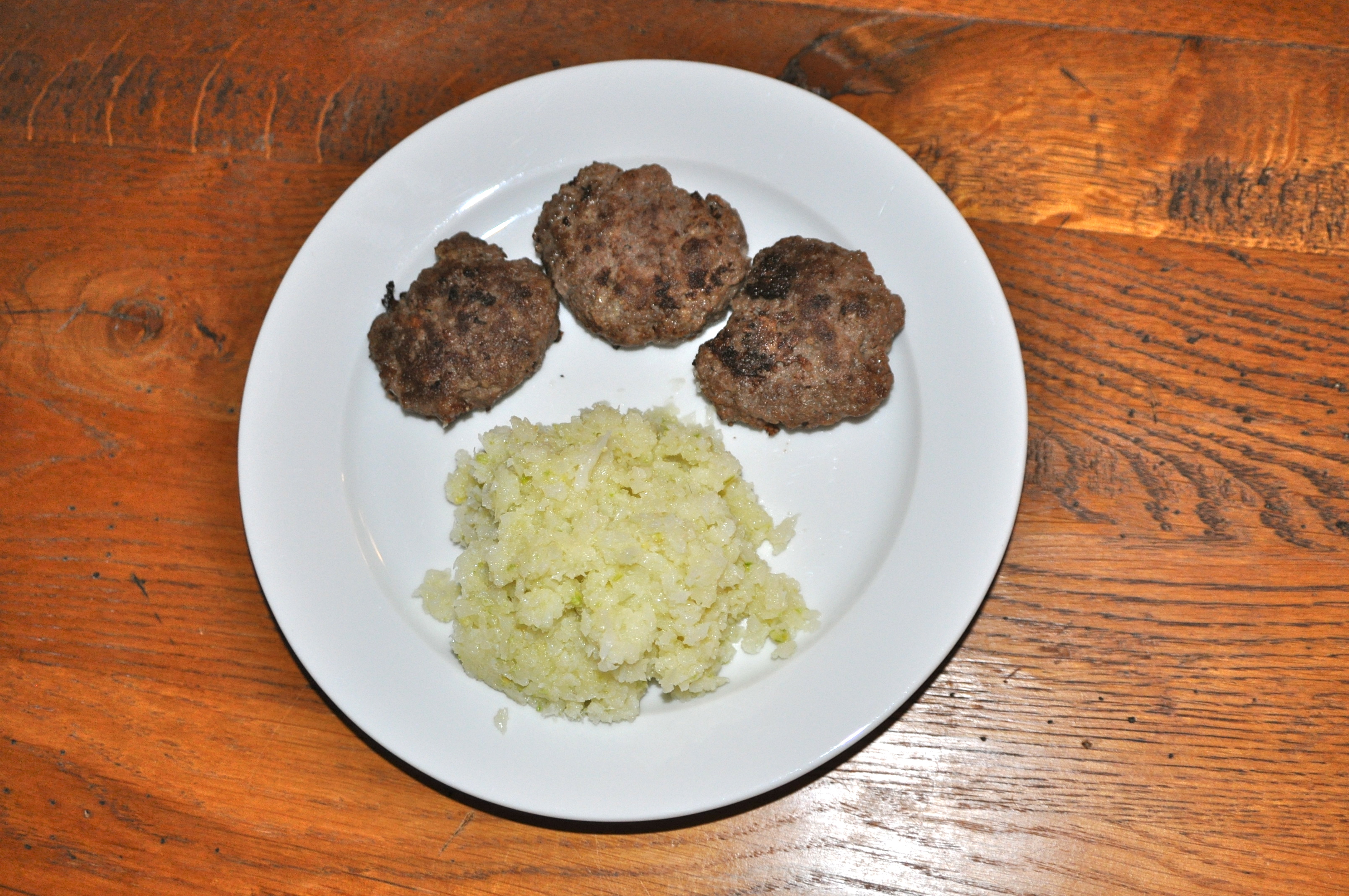
I made hamburgers. I browsed a few recipes on-line and read about adding ingredients like eggs, Worcestershire sauce, breadcrumbs, and onion powder.

I went with quail eggs, sunflour, coconut aminos, and a dash of white pepper. I fried the hamburgers in macadamia oil and served them with mashed cauliflower for dinner.

This weekend Martin ate the leftover hamburgers as breakfast, accompanied by sweet-potato French fries. Adrian asked, “Will he be having a Coke with his burger and fries?”

How did they taste—any good? I wish I knew, but I’m not about to try one. Martin ate them without complaint.

Such an obliging boy, my Martin.

ASD Recovery Cooking: Science Experiments in the Kitchen

Running with an idea I found in the GAPS book, I decided to start fermenting beans before Martin eats them, to improve digestability. Last weekend I soaked navy beans for 18 hours in double-purified water (I use Aquasana and Berkey filters), drained them, and rinsed with more double-purified water. Then I put the beans into a lead-free glass jar, covered them with double-purified water, and added a small amount of GI ProHealth non-dairy yogurt starter.

I sealed the jar, with the intention of leaving it sealed until this coming weekend, for a total seven days. Alas, the best-laid plans must wander astray. This afternoon, Samara, thinking the jar contained beans for fake hummus, popped it open, peered inside, and said, “Ugh, I don’t think these beans are good anymore.” I don’t know what effect, if any, the jar being opened will have on the fermentation process. I resealed it and now await the exciting outcome on Saturday. In the event that the experiment fails, I will try again next week—affixing a Do not open until Saturday! note to the jar.

ASD Recovery Recipe: Duck Nuggets

I said that I would not be posting any meat-based recipes. I hereby renege. Two nights ago I made my first meat recipe other than broth. Martin ate the food, without complaint. It hasn’t made him sick, yet. I consider this a giant success. So without further ado, here is my new recipe for recovery-beneficial duck nuggets. (If your child does not have chicken sensitivities, I have to imagine this works just as well for chicken.)

duck meat (I used the breast)
one duck egg
enough sunflour to coat
additional seasonings

Trim most of the fat from the duck and slice it into bite-sized pieces. Understanding duck to be somewhat tougher than chicken, I made the pieces small enough for Martin to pop into his mouth whole, instead of having to bite off chunks. Beat the egg. Brush each duck piece with beaten egg. Place in a bowl with enough sunflour to coat, plus spices of your choice. (I went with a dash of white pepper, plus some cumin for flair.) Stir well, until each piece is coated. Fry in oil of choice. (Sesame provides nice flavor; just make sure it complements your spices.)

I used duck egg when I made this, but because I was making such a small portion (Martin being the only human in our home who eats meat) I ended up with some beaten egg left over. Next time I may try beating a couple little quail eggs instead, to exercise more control over the amount of egg.

In the event you don’t have sunflour, and your child is okay with limited gluten-free grains, I think that crushed rice crackers or organic rice cereal might work well in place of the sunflourEdward & Sons brown rice snaps (unsalted plain) would be a good choice. Erewhon makes a gluten-free rice cereal, but if you are limiting carbs and sweeteners, note that the Erewhon product contains brown rice syrup.

What to do with the trimmed-off duck fat? The next night I fried turnip and squash in the fat and served those veggies with rice. I’m determined not to waste any animal parts.

ASD Recovery Recipe: Almond Waffles

As I mentioned in a recent post, my mother sent a waffle maker and her recipe for grain-free waffles. Martin ate these the last time we visited my parents and loved them. So I decided to disobey my own rule against non-stick surfaces (chemicals = bad) and make Martin a waffle breakfast this morning. He’s one happy camper!

1 cup almond flour
2 tbsps honey
1 tsp vanilla
1/4 tsp salt
1/4 tsp baking soda
4 eggs (my mother recommended 4 hen eggs or 3 duck; I ended up using 4 duck eggs, because they were small, as far as duck eggs go)

I started by brushing a thin layer of coconut oil onto the waffle maker.  Next I mixed the first five ingredients well, to a pebbly consistency. Separately, I hand whisked the eggs. Finally I mixed the eggs into the other ingredients and stirred until smooth. For the first batch I poured too much batter into the waffle maker, and it overflowed. My technique improved with the second batch. You really don’t need to put in much more than 1/2-3/4 cup batter for an 8-inch waffle maker.

According to my mother, this same recipe makes good pancakes, to that would be a way to avoid the non-stick surface.